
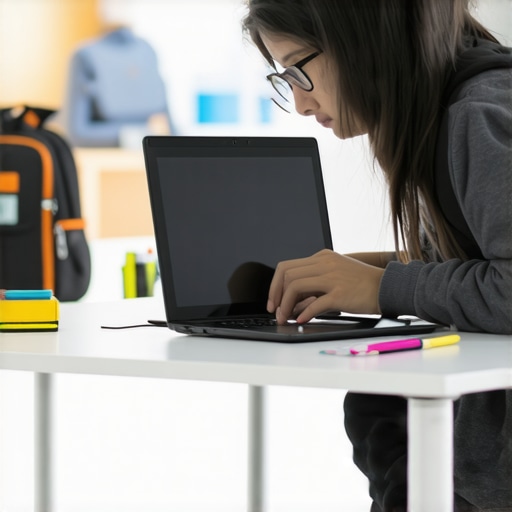
Ever tried to buy a laptop for school only to find yourself overwhelmed by endless options and a tiny budget? I remember the moment I realized I’d spent hours researching and still couldn’t decide—my old, sluggish laptop was holding me back, and I was about to start classes. That lightbulb moment hit hard: I needed something affordable, reliable, and ready to handle my homework without breaking the bank. It’s a common story among students, but here’s the good news: you don’t have to settle for a subpar device or blow your savings. Today, I’ll help you cut through the noise and find the best budget student laptops and Chromebooks for back-to-school 2024, so you can hit the ground running.
Why Picking the Right Budget Laptop Actually Matters
Choosing the right laptop isn’t just about saving money; it’s about making sure you’re set up for success. A poor choice can leave you frustrated, lagging behind, or worse—struggling with technical issues that waste your precious study time. The key is understanding what features matter most for students, like battery life, performance, and durability, without overspending on bells and whistles you don’t need. Trust me, I’ve made the mistake of buying a fancy laptop with all the latest specs, only to realize it was overkill and too expensive for my budget. Instead, I wish I’d known about the smarter options that are perfectly suited for homework, note-taking, and online classes. For a deeper dive into what to look for, check out this guide on picking a Chromebook for homework.
Is Budget Always Better or Just a Sacrifice?
Many skeptics worry that cheaper laptops can’t handle the demands of college or high school work. That’s a fair concern. I used to think I had to spend big bucks to get a decent device. But I learned early on that you can find budget-friendly laptops that are surprisingly capable — as long as you know what to look for. I once bought a laptop that looked great on paper but turned out to be painfully slow when I needed it most. The mistake? I didn’t do enough research on performance and real-world reviews. Now, I focus on trusted brands and real user feedback, which is why I recommend checking out our curated list of the top budget laptops for students in 2024. These devices prove you don’t have to overspend to get reliability and good performance.
So, if you’ve faced the stress of finding a budget-friendly laptop that can handle your coursework without constant crashes, you’re not alone. The good news is, with a bit of guidance, you can avoid common pitfalls and pick a device that truly supports your academic journey. Ready to find your perfect match? Let’s get started with some practical tips to choose the best budget laptop or Chromebook for back-to-school 2024.
},
Set Your Priorities Before You Shop
Think of buying a budget student laptop like choosing a backpack. You want one that’s durable, fits your needs, and isn’t overly bulky. Start by listing what you need most: Is it battery life for long study sessions, enough processing power for your coursework, or portability for commuting? When I bought my first budget Chromebook, I initially focused on price alone, but realized I needed better battery life after my first week of classes. By clarifying my priorities, I avoided wasting money on unnecessary features and found a device that truly supported my studies. For detailed guidance, check out our comprehensive buying guide.
Research Key Features Like a Pro
Don’t get dazzled by flashy specs that don’t matter for your coursework. Focus on core features: a decent processor (like Intel i3 or AMD Ryzen 3), at least 8GB of RAM, and a solid-state drive (SSD) for quick access. I once impulsively bought a laptop with a fancy GPU, thinking it would boost performance, but it was overkill for student tasks. Instead, I learned to read reviews and compare specs, which saved me from buyer’s remorse and gave me a reliable device for all my assignments. Use comparison tools and trusted review sites, and remember to look at real user feedback for performance insights. To understand more about choosing the right device, visit our Chromebook buying guide.
Compare Operating Systems for Your Needs
Chromebooks and traditional laptops serve different needs. Chromebooks are like lightweight bicycles—great for quick trips, easy to use, and budget-friendly, especially for online classes and basic tasks. Traditional laptops are more like cars—powerful but often pricier and heavier. Once, I tested both, and found that a Chromebook was perfect for note-taking and web browsing, while a Windows laptop handled more demanding software. To decide which is best for you, review our Chromebook vs. Laptop comparison. This way, you’ll avoid buying a device that doesn’t suit your coursework style.
Set a Realistic Budget and Expectation
Think of your budget as the foundation of a house. Building on a shaky base leads to problems later. I once stretched my budget thin on a very cheap laptop, only to face constant lag and crashes. Instead, I set a clear limit—say, $400-$600—and looked for the best options within that range. This approach helped me find reliable models like the ASUS Chromebook Flip or Lenovo IdeaPad that offered excellent value. Remember, a slightly higher investment often means better durability and performance. For current deals, check our best deals for 2024.
Read Reviews and Test Before You Commit
Imagine buying shoes without trying them on—you might end up with blisters. The same applies to laptops. Read user reviews to spot common issues like battery life or keyboard comfort. If possible, visit a store to test the keyboard, screen clarity, and weight. I once ordered a laptop online, only to realize the keyboard was uncomfortable after a week of use. Since then, I always check reviews and, if I can, test the device in person. Trusted review sites and user feedback are your best friends here. For more tips on evaluating options, visit our top budget laptops.
Stay Updated on Deals and Offers
Deals come and go like waves—catch them at the right moment. Use price tracking tools and subscribe to newsletters to stay informed. I once missed a sale on a Chromebook because I didn’t act quickly—lesson learned. Setting alerts helps you snag the best prices without rushing. Keep an eye on seasonal sales, back-to-school promotions, and refurbished options for extra savings. For curated deals, see our latest deals.
Many students and even some parents fall into common traps when shopping for budget laptops and Chromebooks, often based on misconceptions that can lead to costly mistakes. Let’s dig deeper into what most people get wrong, so you can avoid these pitfalls and make smarter choices for your educational journey.
Why the Myth of Cheap Equals Low Quality Is Dangerous
One of the biggest misconceptions is that affordability means sacrificing quality. While it’s true that premium devices come with higher price tags, many budget laptops and Chromebooks now pack impressive features. For example, reputable brands like ASUS and Lenovo offer models within the $400-$600 range that deliver reliable performance, long battery life, and durability—perfect for students. Relying solely on price as a quality indicator can cause you to overlook these capable options, leading to unnecessary overspending or settling for subpar devices. To get a clearer picture, check out our latest budget picks and reviews.
The Oops of Overestimating Hardware Requirements
Another common mistake is overestimating what hardware is necessary for everyday student tasks. Many believe they need the latest i5 processor or 16GB of RAM, but for most homework, note-taking, and web browsing, an Intel i3 or AMD Ryzen 3 with 8GB RAM suffices. Overbuying leads to unnecessary expense and added weight—something you definitely want to avoid when commuting. Remember, a balanced device with SSD storage and decent processing power will serve you well without the extra cost. For more tailored advice, visit our buying guide.
How to Recognize and Avoid the Real Deal
Many buyers fall into the trap of trusting flashy marketing or fake reviews. It’s tempting to choose a device based on promotional images or overly positive testimonials. Instead, focus on verified user reviews and testing the device in-store if possible. Look for consistent feedback on battery life, keyboard comfort, and build quality. One sneaky tactic is to fall for refurbished devices that seem like new but may have hidden issues if not purchased from reputable sources. Always check the seller’s reputation and warranty options. This extra step can save you from buyer’s remorse and ensure your investment is protected.
Have you ever fallen into this trap? Let me know in the comments below!
How do I maintain my laptop over time?
Maintaining your budget-friendly student laptop isn’t just about occasional cleaning; it’s about implementing a routine that extends its lifespan and keeps it performing at its best. I personally schedule a quick maintenance check every month, which includes updating software, cleaning the keyboard and vents, and checking for any signs of hardware issues. Regular updates are crucial because they patch security vulnerabilities and optimize performance. For instance, I ensure my Chromebook and Windows laptops are running the latest OS versions by going into Settings > About Chrome OS or Windows Update. This proactive approach prevents many common problems before they start.
Another key step is managing your storage. I recommend periodically deleting unnecessary files and uninstalling unused applications. Using tools like CCleaner or built-in disk cleanup utilities helps clear temporary files and optimize storage. Over time, clutter can slow down your device significantly, especially on budget models with limited SSD or HDD space. Additionally, backing up important data regularly minimizes the risk of losing files due to hardware failure or accidental deletion. Cloud services like Google Drive or OneDrive are perfect for students, offering free storage and seamless integration with Chromebooks and Windows devices.
Physical maintenance also matters. I keep my device’s vents free of dust using compressed air, which prevents overheating—a common issue that can shorten hardware lifespan. Also, investing in a protective case or keyboard cover can prevent physical damage from daily commuting or accidental spills. Remember, a little preventive care goes a long way in preserving your tech investment.
Looking ahead, I believe the trend in device maintenance will become more integrated with AI-driven diagnostics. Future laptops might automatically alert you to potential issues before they become serious, similar to what some smart home devices already do. This will make long-term maintenance even easier and more effective.
To start with, try setting a monthly maintenance routine that includes software updates, disk cleanup, and physical cleaning. It’s a simple step that can dramatically improve your device’s longevity and reliability, ensuring your budget laptop continues to support your studies without interruption. For more insights on choosing a durable, maintenance-friendly device, visit our comprehensive buying guide.
Lessons from the Frontlines of Budget Laptop Shopping
- Overestimating Hardware Needs: I once bought a high-end laptop thinking I needed the latest specs, only to realize most of my coursework ran smoothly on modest hardware. Knowing what truly matters—like an SSD and decent RAM—saves money and weight.
- Price Isn’t Everything: I used to think paying more meant better quality, but I found excellent budget options like ASUS and Lenovo deliver reliable performance without the hefty price tag. Trusting reviews over flashy ads changed my approach.
- Test Before You Commit: Ordering online without testing in-store led to an uncomfortable keyboard. Now, I always test devices in person or rely on verified reviews to avoid surprises.
- Stay Alert on Deals: Missing holiday sales taught me to use price tracking tools and subscribe to alerts, which helps snag the best deals for student laptops and Chromebooks.
My Go-To Resources for Smarter Shopping
- Chromebook Buying Guide: This comprehensive guide helped me understand which features truly support student needs.
- Choosing the Best Budget Laptop: I trust this resource for comparing specs and finding reliable brands within my budget.
- Top Budget Picks for 2024: This curated list keeps me updated on the best value devices for students.
Your Next Step in Tech Confidence
Equipped with these lessons and resources, you’re ready to make a smart choice on your back-to-school laptop in 2024. Remember, a well-chosen device isn’t just an expense; it’s an investment in your education and confidence. Dive into the options, test what you can, and don’t rush—your ideal student laptop or Chromebook is out there waiting for you. Happy shopping, and here’s to a successful school year!
This post resonated with me a lot, especially the part about not overspending on specs that won’t make a noticeable difference in everyday tasks. I remember buying a budget laptop last year, thinking I needed all the latest features, but I ended up with a device that was more powerful than I needed and a bit heavier to carry around. Through some trial and error, I learned that focusing on a reliable processor, decent RAM, and an SSD made my workflow much smoother without breaking the bank. Also, testing the keyboard and screen in-store really helped me avoid discomfort during long study sessions. For students shopping in 2024, what do you guys prioritize most — battery life, portability, or performance? I’d love to hear what works best for different study styles and campuses.
I completely agree with the emphasis on knowing your actual needs when shopping for a budget laptop. I used to get tempted by flashy specs that didn’t necessarily improve my day-to-day tasks, which only led to overspending. Once I focused on essential features like a reliable processor, sufficient RAM, and good battery life, I found I could get by just fine with a mid-range Chromebook. My experience has shown me that most students don’t need high-end hardware unless they’re into graphic design or gaming. What I find helpful is reading detailed reviews and watching unboxing videos to see how the device feels in real life. Do others rely more on user reviews or in-store testing to make their choices? I think understanding what truly impacts our studying experience can save a lot of stress and money.
This was such an insightful post! I recently bought a budget Chromebook and was surprised at how well it handled my coursework, especially after following some of the tips here. I think the key is really prioritizing features that matter for students—like battery life and portability—rather than flashy specs that won’t necessarily improve your everyday experience. I remember a friend overspent on a shiny new laptop with high-end specs and ended up with a device that was too heavy and overpowered for her needs. Another thing I’ve learned is to avoid falling for marketing hype—reviews and hands-on testing can save you a lot of hassle. How do others find the best way to test a device before buying, especially when shopping online? Do you rely more on detailed reviews or try to visit stores whenever possible? I’d love to hear everyone’s approaches for making a smart choice without breaking the bank.