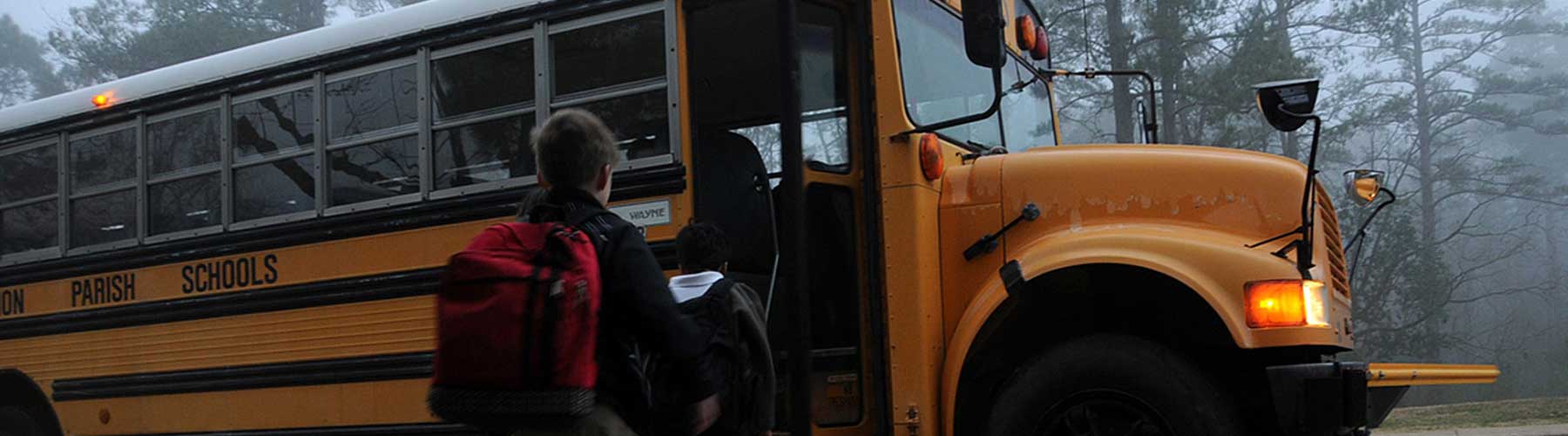
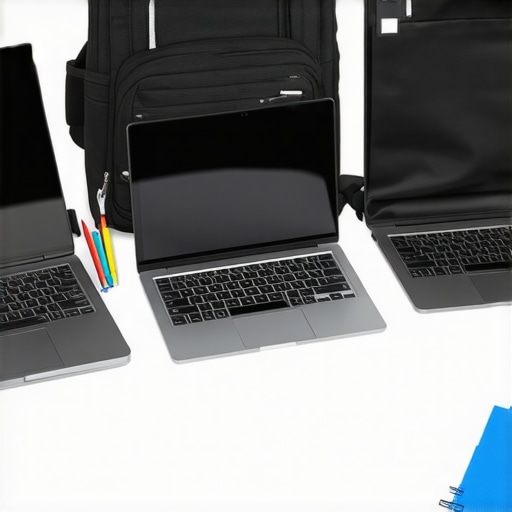
Picture this: It’s a busy Sunday evening, and your child frantically searches for a laptop that can handle their homework but won’t empty your wallet. They’ve already gone through a dozen options online, each promising greatness but leaving you more confused than ever. Sound familiar? I’ve been there. I vividly recall the moment I realized that rushing into a purchase without proper research not only cost me extra money but also resulted in a device that couldn’t keep up with my teenager’s school demands.
Why Picking the Right Laptop Matters More Than Ever
As a parent, I understand the stress of trying to find a good, affordable device that can support homework, online classes, and even a bit of entertainment—without the hefty price tag. The reality is, technology evolves fast, and the options can be overwhelming. According to recent studies, nearly 70% of students now rely heavily on their laptops for daily school activities, making it crucial to choose wisely. That’s why I’ve dedicated myself to deciphering the best budget laptops for students in 2024.
But here’s the kicker: early in my research, I purchased a supposedly budget-friendly laptop that looked great on paper but was painfully slow and unreliable for everyday homework tasks. This mistake taught me a valuable lesson—don’t just focus on the price. Durability, performance, and support matter just as much. If you’ve ever felt overwhelmed by the sheer number of options or worried about wasting money on something that won’t last, you’re not alone.
In this post, I’ll walk you through the essential tips and top picks for affordable, reliable laptops tailored for students heading back to school in 2024. Mostly, I want to help you avoid the pitfalls I fell into and make a confident decision that fits your family’s needs and budget. Ready to simplify your search? Let’s dive into what truly makes a great homework laptop and how to choose one that lasts through the school year and beyond.
Is a budget laptop really enough for homework and college work?
Many parents worry that a cheaper device won’t handle the demands of student life. I used to think so too—that until I made the mistake of assuming all budget laptops are low-quality. The reality? With modern technology, you can find affordable options that are more than capable of running most homework apps, browsing securely, and even supporting some light creative projects. To get the real scoop, check out our guide on best budget laptops for students in 2024.
Whether your child needs a simple Chromebook or a versatile ultrabook, the key is understanding your specific needs and matching them to the right specifications, rather than getting dazzled by brand names or flashy features. In the next sections, I’ll share practical tips for assessing what to look for and some top models that balance cost and performance seamlessly.
Identify Your Child’s Needs
Start by listing what tasks your child will perform—simple browsing, streaming, or heavier tasks like basic photo editing. For instance, I once bought a low-cost laptop for my daughter who only needed a device for note-taking and browsing. It seemed perfect at first but lagged during multitasking, which taught me to match specs with actual requirements. Clarify whether a Chromebook, Windows laptop, or Mac is best, considering their specific school apps and preferences. Check out this guide on picking a Chromebook for effortless homework.
Set a Realistic Budget
Establish a clear price range—usually between $300 and $700 for most students. Remember, higher price tags don’t always guarantee better performance for basics. I recommend focusing on core specs instead of brand names. For example, I once stretched my budget and bought a premium-looking laptop that was slow in multitasking, which wasted my money. Decide what features are essential—like battery life, portability, or touchscreen—and prioritize those. To see expert recommendations, visit the top budget laptops for students in 2025.
Focus on Key Specifications
Pay attention to processor, RAM, storage, and screen size. For middle schoolers, an Intel Core i3 or AMD Ryzen 3 with 8GB RAM handles most homework. I once purchased a device with only 4GB RAM, and multitasking became a nightmare, especially with multiple tabs and apps. A 128GB or 256GB SSD offers quick startup and better durability. The screen should be bright and at least 13 inches for portability. For detailed specs tailored for students, see our top homework laptops for students on a budget.
Prioritize Battery Life and Durability
Choose a device that can last at least 8 hours on a single charge—think of it as fuel for your child’s school day—so they’re not tethered to outlets. I remember packing my daughter’s laptop only to find it drained by lunch, making me realize the importance of battery capacity. Look for sturdy build quality, especially if your child is rough on devices. Reviews often mention durability; for example, some budget laptops have flexible hinges or fragile screens. Staples like low repair costs and warranty options matter. For further advice, visit Choosing the perfect student laptop on a budget.
Compare Brands and Models
Research reputable brands with good customer support. During my last purchase, I checked user reviews to avoid flaky brands. For example, some Chromebooks from lesser-known brands have frequent Wi-Fi issues. Consider models with positive feedback and easy access to tech support, so your child isn’t stranded during troubleshooting. Use comparison tools and read recent reviews—don’t just rely on specifications. For curated options, see top homework laptops for college and school in 2024.
Test Before You Buy
Whenever possible, visit a store to handle the device—feel the weight, test the keyboard, and check the screen quality. I once ordered a laptop online based solely on specs, only to find the keyboard uncomfortable during my daughter’s homework session. Testing physically helps reveal issues like awkward key placement or poor screen viewing angles. Pay attention to ports and connectivity options, ensuring your child can connect peripherals if needed. If you prefer online shopping, verify return policies and warranty coverage, referencing our privacy policy for additional assurance.
Evaluate Additional Features
Look for must-have extras—webcam, microphone, speakers—that support virtual learning. For example, a quality webcam became essential during online classes, and I’ve learned to check video quality before purchase. Some budget models include dual microphones or improved speakers, enhancing the virtual classroom experience. Also, consider keyboard comfort and ventilation—comfort during long study sessions is key. For more tailored recommendations, browse best student laptops and Chromebooks for back to school 2024.
Many people believe that cheaper laptops are inherently unreliable or inadequate for student needs, but this isn’t always the case. A common misconception is that a budget device can’t handle multitasking or educational applications, leading parents to overspend on overpowered hardware. In reality, understanding the specific tasks your child needs to perform is crucial; a Chromebook with basic specs can often suffice for elementary school homework but may fall short for college-level research or creative work. It’s also a myth that more expensive laptops are automatically better for students—that’s not true if the device exceeds your child’s requirements. Over-investing can lead to unnecessary expenses without tangible benefits, and choosing a device with specs tailored to their needs saves money and reduces clutter.This misconception extends to the belief that Chromebooks are only for simple tasks. While they excel at web-based activities and basic productivity, many modern Chromebooks now support Android apps and even Linux environments, expanding their capabilities considerably. Therefore, evaluating your child’s academic demands and not defaulting to assumptions based on price or brand is key. Moreover, some parents overlook the importance of build quality and support services, thinking all budget devices are fragile or difficult to repair. As a result, they may end up with a device that breaks easily or gets stuck in troubleshooting loops. It’s wise to read reviews and consider warranty options, especially for devices likely to be handled roughly or used intensively. For advanced users, a common trap is misjudging the importance of processor type or RAM size. Many think an Intel i5 or 16GB RAM is essential, but for most homework tasks, such high specs are overkill. Instead, focusing on a balanced configuration—like an Intel i3 or AMD Ryzen 3 with 8GB RAM—often provides better value and satisfaction. Curious about how to optimize your purchase? Check out our guide on choosing the right student laptop for nuanced advice. Remember, avoiding these misconceptions can prevent overspending and ensure your child gets a device that truly supports their learning journey. Let me know: Have you ever fallen into this trap? Share your experience in the comments and join the conversation!
Tools I Recommend for Long-Term Maintenance
One of the best ways to ensure your child’s homework laptop remains reliable is by investing in quality maintenance tools and establishing consistent routines. I personally swear by CCleaner for Windows systems and CleanMyMac for macOS—both help keep the device free of unnecessary files that can slow performance. Regular disk cleanup not only speeds up the device but also prolongs its lifespan. Additionally, Malwarebytes provides excellent protection against malware which is crucial as students often connect to various networks in schools and public places.
For Chromebooks, I recommend enabling Verified Boot and regularly checking for system updates to patch security vulnerabilities and optimize performance. Using the built-in Powerwash feature periodically resets the device to its factory state, clearing accumulated clutter and bugs. You can find detailed instructions on how to maintain your Chromebook over time.
Set Up Automated Backups and Updates
Automated backups are essential. I personally set up cloud backups via Google Drive for Chromebooks and OneDrive for Windows laptops to ensure all homework and important documents are safe even if a device encounters a problem. Regularly updating the OS and applications is equally important to patch security flaws and improve stability. For example, I schedule system updates during nights or weekends to avoid disruptions during study hours.
Essential Tools for Troubleshooting and Support
When troubleshooting, I rely on TeamViewer to remotely assist my child’s device if needed. It streamlines the process, especially when I can’t be physically present. For hardware issues, keeping a simple toolkit with screwdrivers, microfiber cloths, and compressed air helps with minor repairs and cleaning, preventing dust buildup that can lead to overheating. For more detailed tech support tips, visit our contact page.
How do I maintain my child’s homework laptop over time?
The secret lies in routine maintenance, using trusted tools, and staying proactive with updates and backups. Consider setting a weekly maintenance schedule that includes disk cleanup, malware scans, and system updates. As technology trends evolve, I predict that automated system optimization will become even smarter, allowing devices to self-maintain and notify users of potential issues before they escalate. To optimize your device’s health and performance, I recommend trying out CCleaner or CleanMyMac for regular cleaning tasks—these tools have saved me countless headaches. Remember, proactive maintenance saves time and money in the long run, keeping your child’s educational tools ready when they need them most. Want more personalized advice? Reach out via our contact page.
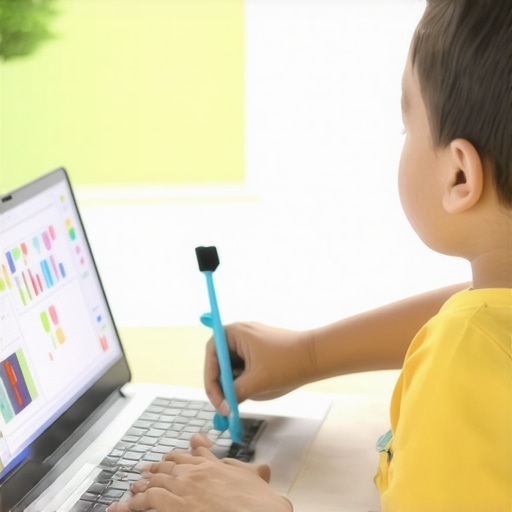
Keep What Worked, Drop What Didn’t
One of the most valuable lessons I uncovered is that not all cheap laptops are created equal, and some features matter more than price tags suggest. I once bought a deal just because it was affordable, only to realize the battery was flimsy and performance sluggish, which frustrated my child’s learning process. The key takeaway? Focus on real-world performance and durability, not just sticker price. This insight transformed my shopping approach—it’s about smarter choices, not cheaper ones.
Why Your Child’s Learning Needs Shape the Perfect Device
Discovering what skills and tasks your child will perform with their laptop is like having a personal shopping map. For younger students, a Chromebook might do the trick, but for college coursework, a versatile Windows device may be necessary. Considering this early on saved me countless headaches, ensuring I didn’t overspend on features my child didn’t need. For tailored advice, our comprehensive guide is a game-changer.
Forging a Budget Without Sacrificing Quality
Setting a realistic price range, around $300–$700, kept me grounded during my search. I thought splurging might be worth it, but I found some surprisingly capable devices at the lower end, if I focused on the core specs like processor and RAM. This experience taught me the value of aligning features with actual needs, rather than chasing high price points. Check out our top budget picks for 2025 for dependable options.
Specs That Truly Support Student Success
Processor speed, RAM, and storage should be your main considerations. For my teenager’s assignments, an Intel Core i3 with 8GB RAM balanced speed and multitasking. I learned that skimping on these specs leads to lag and frustration, hindering productivity. A 256GB SSD sped up loading times and preserved longevity. Looking for detailed specs? Visit our recommended models for students and get it right the first time.
Power That Lasts Through the Schoolday
A battery life of at least 8 hours became non-negotiable in my search, as I’ve seen firsthand how a dead device disrupts homework flow. Durability is just as critical—educators and parents agree that laptops need to withstand daily wear. I recommend reading real-user reviews to find models that endure campus life and casual mishaps. To tailor your choice, see our best durable laptops for students.
Brands and Models That Make a Difference
Researching trusted brands and customer support saved me from future headaches. During my last purchase, I prioritized brands known for reliability and service. I found that user feedback often highlights build quality and ease of support—crucial for busy students. Exploring comparison charts and recent reviews is invaluable. For my top recommendations, check the top models for students.
Try Before You Commit
Physically handling devices can reveal comfort and usability issues that specs alone can’t show. I’ve had the experience of unboxing online-only, only to find the keyboard uncomfortable or the weight cumbersome. Visiting a store or borrowing a similar model gave me the confidence to choose wisely. If online, confirm return policies—your child’s education shouldn’t be left to chance. Our privacy policy provides insights on safe shopping.
Extras That Make Virtual Learning Smoother
Features like a quality webcam and microphone greatly enhance online classes. My kid’s device with a crisp webcam made participation more engaging. Think about the peripherals your child might need—USB ports for accessories, a comfortable keyboard for long sessions. For more tips, explore our best back-to-school models.
Giving You the Tools to Succeed
Equipping yourself with the right maintenance tools can extend your laptop’s lifespan. I swear by CCleaner and Malwarebytes for regular cleanup and protection. Backup solutions like Google Drive or OneDrive have prevented data loss during unexpected issues. Learning these routines keeps your child’s device running smoothly, turning tech maintenance into a simple, manageable task. Need support? Visit our contact page to get personalized guidance.
Relentless Improvement and Your Role in Support
Staying proactive with updates, backups, and cleanliness is key. I’ve come to see tech as a tool that benefits from regular TLC. The future of homework laptops looks promising—automated checks and self-maintenance features will make life even easier. Until then, your involvement makes a significant difference in your child’s academic journey. Remember, a well-maintained, thoughtfully selected laptop can empower your child far beyond just homework.