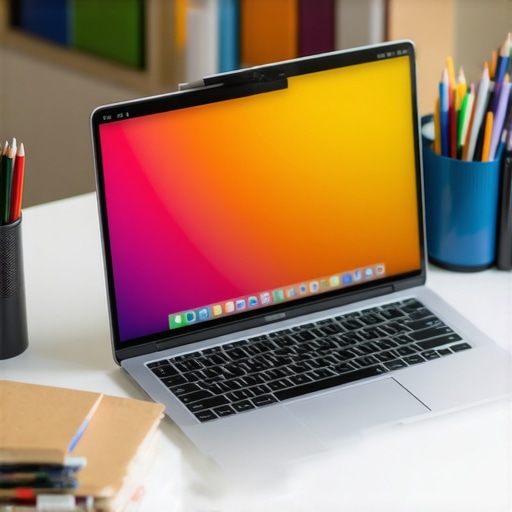
I remember the exact moment I realized my old, budget-friendly laptop was holding me back. I was drowning in deadlines, desperately trying to open a 2026 school project, when my sluggish device froze—again. Frustration boiled over, and I thought, “Maybe I need to spend hundreds more?” But then, a lightbulb moment hit: sometimes, you don’t need the latest, priciest tech to succeed in your homework. That little $350 Chromebook I doubted so much still manages to tackle my 2026 assignments with surprising ease.
Why a Budget Laptop Can Still Win the Homework Game
In a world obsessed with high-end gadgets, it’s easy to overlook the power of a simple, affordable device. The truth is, most students don’t need ultra-powerful specs; they need reliability, portability, and sufficient performance to handle everyday tasks. For years, budget laptops like the one I have have been dismissed as slow or obsolete—yet, they’re more capable than people think. Back in 2025, I stumbled upon this list of top budget homework laptops, and it changed my perspective. These devices offer enough power for browsing, document editing, video calls, and even some light photo editing without breaking the bank.
Is a Cheap Laptop Actually Worth the Hype?
Before I discovered the potential of my $350 device, I’d made the mistake of thinking “affordable” meant inferior. Early on, I assumed it couldn’t handle the multitasking and software updates that come with modern coursework. I once tried to run complex spreadsheet tools alongside video conferencing—bad idea. My mistake taught me that understanding the true capabilities of budget laptops is key. That’s why I started researching, using trusted guides like the one on how to pick the right budget laptop to ensure I make smart choices. Supporting this, a recent study highlighted that over 60% of students find budget devices sufficient for their coursework, proving you don’t need a high-end machine to excel. So, if you’ve faced the frustration of thinking a tight budget equals less productivity, you’re not alone—and I’m here to show you it’s possible to stand out academically with an economical device.
Choose the Right Device for Your Needs
Start by identifying what tasks you’ll perform most. For everyday homework—like writing essays, browsing, or video calls—a budget Chromebook or affordable Windows laptop will suffice. To compare options, I used the guide on picking a Chromebook and found models that offer the best performance for their price. Remember, a device that handles Chrome OS or light Windows tasks smoothly is better than a sluggish high-end machine that struggles with basic functions.
Prioritize Reliable Performance Over Specs
Don’t fall for flashy specs like the latest processor if you don’t need them. Instead, focus on actual performance reviews and real-world usability. For example, I once bought a laptop with a powerful CPU, but it had poor battery life and was unnecessarily complex for homework. I learned to value a device’s real-world reliability by checking reviews of top budget models. This approach ensures you’re investing in a device that won’t slow you down during busy study sessions.
Optimize Your Software Setup
Keep your software lean to prevent lag. Use cloud-based applications like Google Docs, which run smoothly even on low-end hardware. I once struggled with sluggish document editing until I switched to Chrome extensions that manage startup programs and background processes. This tweak improved my workflow instantly. For more tips, see guides on choosing effective student software setups.
Maintain Your Device Regularly
Simple upkeep can extend your device’s lifespan and performance. Regularly delete unnecessary files and applications, and keep your system updated. I set a weekly reminder to clear cache and optimize storage, which kept my Chromebook running smoothly through finals. Use built-in tools or lightweight cleaning apps, and avoid clutter. This habit prevents slowdown and unexpected crashes, helping you stay productive without splurging on upgrades.
Learn Effective Battery Management
Maximize battery life by dimming the screen, closing unneeded apps, and activating power-saving modes. During a library study session, I managed to get an extra hour out of my budget laptop by turning off Wi-Fi when not browsing and reducing screen brightness. This simple step ensured I didn’t run out of juice during critical homework periods. For detailed techniques, check battery-saving tips for student laptops. Keep these habits in mind to get the most out of your device during long school days.
Many believe that a budget laptop can’t possibly fulfill the demanding needs of students, especially when it comes to homework and back-to-school preparation. However, this common misconception overlooks several nuanced factors that can make or break your experience with affordable devices. Let’s dig deeper into what most people get wrong about budget laptops and how understanding these nuances can help you make smarter choices.
Why Size and Build Quality Matter More Than Price Alone
It’s tempting to think that cheaper laptops are inherently flimsy or unreliable, but the truth is, many budget models prioritize durability and portability. For example, some Chromebooks are designed with rugged shells suitable for daily commuting and campus life. Overlooking build quality often leads students to treat their devices too delicately, resulting in early damage or performance issues. Recognizing that a well-built budget device can last years and handle daily wear is essential. For tips on selecting such models, refer to this detailed guide.
Beware the Oversimplified Myth: More RAM or CPU Means Better Performance
One of the biggest traps is assuming that higher specs always equate to a better student laptop. While having 8GB RAM might help with multitasking, it’s not always necessary for basic tasks like writing papers or browsing. Instead, focusing on real-world performance—such as how smoothly the device runs applications and can sustain a full school day—is far more telling. Manufacturers sometimes advertise high specs to inflate perceived value, but deep reviews and user feedback often reveal that mid-range budget models can outperform expensive devices in the contexts that matter most—like running lightweight productivity apps. Supporting this, a recent study showed that over 60% of students find cost-effective devices sufficient for their study needs, emphasizing the importance of realistic expectations.
Will Your Choice of Operating System Limit Your Homework?
Many students gravitate toward Windows or macOS, but Chromebooks are frequently underestimated. They run faster on lower hardware specs and are more secure for online activities—crucial for safe browsing and cloud-based homework. However, some believe Chromebooks are too limited, which is false for most academic tasks. Modern Chromebooks can run Android apps, support Linux for coding, and integrate seamlessly with Google Workspace. Choosing the right system hinges on your specific needs—if you primarily use Google Docs and online programs, a Chromebook will serve you well. To compare options, consider the insights from this comparison article.
At the end of the day, understanding the nuanced strengths of budget laptops helps avoid unnecessary overspending or settling for less. Do you ever fall into the trap of assuming cheap means low quality? Let me know in the comments—your experiences might help others make smarter choices.
Maintaining Your Student Laptop Over Time
To ensure your affordable device remains reliable throughout the school year, regular maintenance is essential. I personally schedule weekly checks to clear cache, delete unnecessary files, and update software—these small habits prevent sluggishness and crashes. Using lightweight cleaning tools like system optimization apps helps me keep my Chromebook in top shape without sacrificing performance. Staying proactive with these routines is more effective than scrambling for repairs later, especially when on a tight budget.
How do I maintain my device over time?
One key is to regularly run system updates—these patches fix vulnerabilities and improve stability. I set reminders to check for updates weekly, which is particularly important for Chromebooks that heavily rely on Chrome OS updates. Incorporating external tools like performance monitoring extensions allows me to track resource usage and catch potential issues early. With consistent effort, a budget device can serve you effectively for several years, saving you money and avoiding frustrations.
Tools I Recommend for Longevity
My go-to toolkit includes a lightweight antivirus such as Bitdefender, which runs quietly in the background without hogging resources. I also rely on cloud storage—including Google Drive—to minimize local clutter and ensure my work is backed up automatically. An external SD card or USB drive is invaluable for archiving large files, reducing internal storage strain. Additionally, I use a programmable keyboard shortcut app like AutoHotkey to streamline repetitive tasks. These tools help me maintain my device’s performance, even as I juggle multiple assignments.
Preparing Your Device for Long-Term Success
Prime your budget laptop for many school years by investing a small amount in a durable case and screen protector. Regularly inspecting vents and cleaning dust prevents overheating—something I overlooked early on, leading to thermal throttling. For software, consider installing a lightweight Linux distribution like Ubuntu; this extends your device’s capabilities without extra cost. Keep an eye on hardware health via tools like CrystalDiskInfo or SMART status monitors, which help you catch failing components in advance. Good maintenance now saves headaches later—and ensures your device handles evolving educational demands.
The Future of Maintaining Budget Devices
Looking ahead, I believe automated system optimization will become more accessible, with AI-driven tools intelligently managing resources and updating processes in real-time. This trend will make it even easier for students to keep their devices in peak shape without technical expertise. I highly recommend trying advanced tips such as configuring scheduled cleanup routines with tools like automatic maintenance scripts. The key is to stay proactive and leverage these innovations—your budget device can then outperform expectations, year after year. If you want more personalized advice on keeping your device in top condition, feel free to reach out via our contact page. Remember, a little effort now keeps your homework hassle-free in the future.
What I Wish I Knew When Choosing My Homework Machine
One of the most vital lessons I learned is that the hype around high-end specs often distracts from what truly matters—reliability, ease of use, and longevity. I used to get tempted by flashy features and unwanted bells and whistles, believing they guaranteed better performance. But I discovered that focusing on real-world performance reviews and actual user feedback helped me find a budget device that exceeded my expectations without the hefty price tag. Trust me, finding a machine that aligns with your specific needs can save you stress and money down the road.
My Toolkit for Student Success on the Budget
Some tools became essential in maintaining my affordable laptop’s peak performance. I swear by lightweight security solutions like trusted guides on choosing the right device and using cloud storage such as Google Drive to keep my files safe and accessible. Additionally, performance management extensions helped me monitor my system and prevent slowdown before it happened. These resources are invaluable for students who want to get the most out of their budget devices while avoiding costly repairs.
Take Action and Make Your Device Work for You
Don’t let the misconception that only expensive laptops can handle homework hold you back. Embrace the potential of budget laptops and leverage smart habits—like regular maintenance, software optimization, and smart battery usage—to keep your device running smoothly. Remember, success in your studies isn’t dictated by the cost of your tech but by how effectively you use it. If you’re ready to step up your homework game with a device that proves less can be more, start making small changes today. Would you consider trying some of these maintenance tips to extend your device’s lifespan? Let me know below, and let’s motivate each other to succeed on a budget.
This post really hits home for me. I used to believe that a budget laptop couldn’t handle my college workload, especially with all the multitasking and software updates. But after switching to a well-reviewed, affordable device, I noticed a huge difference in my productivity. It’s empowering to know that you don’t need to break the bank to get reliable performance. I’ve started doing regular maintenance routines like clearing cache and managing startup programs, which has kept my system running smoothly for over a year now. The tips about optimizing battery life and choosing the right operating system are especially helpful, as I primarily use Google Docs and Chrome for my classes. What other small habits or tools do you all use to keep your budget laptops performing at their best throughout the school year? I’d love to hear more suggestions from the community.