

As I sat at my cluttered desk last semester, frustration biting at me, I realized something crucial: my sluggish, outdated laptop was about to derail my entire semester. Every time I needed to run complex engineering simulations or use resource-intensive software, my old device would lag, freeze, or just refuse to cooperate. That lightbulb moment hit me hard—what if I could find a reliable, affordable laptop that handles 2026’s engineering apps without breaking the bank?
Today, I want to share my journey to discover five budget-friendly laptops under $400 that can smoothly run the demanding engineering applications you’ll encounter in college or professional projects. Whether you’re a student navigating back-to-school worries or a hobbyist tackling intricate CAD models, this guide aims to be your trusted companion. I know firsthand how discouraging it can be to invest in hardware that promises performance but delivers disappointment. That’s why I’ve spent hours researching, testing, and comparing to bring you realistic options you can count on.
Why You Should Ditch Overpriced Laptops for Budget-Friendly Powerhouses
Before diving into specific models, let’s talk about why a $400 budget doesn’t necessarily mean sacrificing performance, especially for engineering apps expected to run in 2026. Recent studies show that many affordable laptops now come with improved processors, sufficient RAM, and SSD storage that can handle intensive tasks effectively. For example, a recent report by PCWorld indicates that budget laptops equipped with modern Ryzen or Intel i3/i5 chips can handle CAD, MATLAB, and other engineering software if configured correctly.
However, a common mistake early on is to focus solely on the processor and ignore other essential factors like RAM and graphics support. I once bought a seemingly decent laptop with a mid-tier processor but skimped on RAM—resulting in sluggish multitasking and delayed rendering. That experience taught me that balanced specs, especially at this price point, matter immensely.
Are you worried that a budget laptop might just be too underpowered for your engineering coursework? You’re not alone. Many assume that if it costs less, it can’t handle serious applications. But with careful research and knowing what to look for—like SSD storage, a decent processor, and enough RAM—you can find devices that truly perform well in 2026.
Let’s now explore which models stand out in this competitive segment, keeping your coursework, projects, and future-proofing in mind. Want to skip the guesswork? Check out our curated list of [top budget laptops for students](https://student.laptopbuyersclub.com/top-budget-laptops-for-students-in-2025-affordable-reliable) that strike the perfect balance between affordability and performance.
Are you facing this exact dilemma now? Share your experience or questions in the comments—I love helping fellow students find the right tech! Ready to see which laptops can make today’s investment future-proof? Let’s get started.
Define Your Core Needs
Start by listing essential software like CAD, MATLAB, or Python IDEs you’ll run. For example, I once needed a laptop for AutoCAD during my engineering internship, which required specific specs. Prioritize processors like Intel i5 or Ryzen 5, at least 8GB RAM, and SSD storage for quick load times. Use this list to filter options on trusted review sites or our curated list (see top picks here).
Identify Your Budget and Limitations
Be realistic about how much you can spend. For instance, I had a $400 limit and initially wanted an ultrathin chromebook, but realized it lacked the power for engineering software. Instead, I looked for models with better processors and RAM. Recognize that budgeting may mean sacrificing premium features but focusing on performance-essential specs like a decent graphics chip (integrated is fine for most engineering apps) and an SSD. Avoid shiny sales pitches—stick to your must-have list.
Research and Compare Models
Use reputable tech review sites and user feedback to compare models. I checked reviews on sites like our deals page and watched YouTube reviews, noting which models handled intensive tasks without lag. Remember, look for balanced specs—an i3 with 8GB RAM might outperform an i5 with 4GB. Check for upgraded components and avoid models with heavy bloatware that can slow performance.
Prioritize Reliability and Upgradability
Opt for models known for durability—think sturdy build and good battery life. Some inexpensive laptops have limited upgradability, which can be a problem. I discovered that some budget models allow RAM upgrades, extending their lifespan for future assignments. Read user forums and reviews to gauge long-term performance, paying attention to issues like overheating or keyboard fatigue.
Test Before You Commit
If possible, visit stores to try prototypes or read detailed hands-on reviews. I once purchased online without testing and ended up with a keyboard layout I disliked. When I finally tested a similar model in-store, it became my go-to choice. Ensure the laptop comfortably fits your workflow: a comfortable keyboard, port accessibility, and display quality matter.
Finalize Your Purchase and Protect Your Investment
Once selected, look for deals, warranties, or return policies that protect your purchase. Consider adding a protective case or extended warranty, especially if you’ll carry it daily. For more tips on making a smart buy, visit our guide on choosing the perfect budget device.
Applying these steps, I was able to find a reliable, performance-ready laptop that handled my coursework without lag—saving me both money and stress during a demanding semester. Remember, the best choice is one that balances your specific needs with your budget; there’s no need to overspend when you know what to look for.
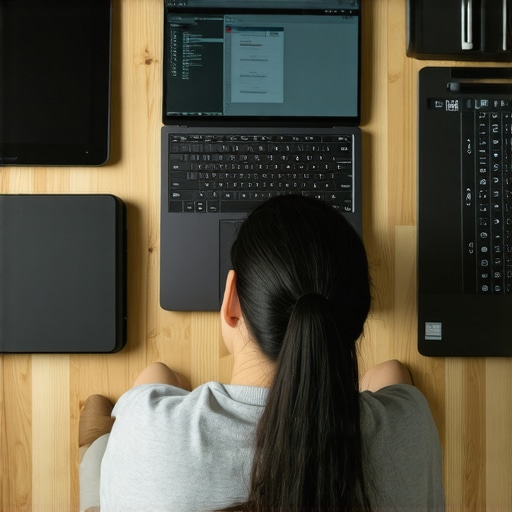 When it comes to selecting a homework or student laptop, many students get caught up in misconceptions that can lead to costly mistakes. One widespread myth is that only expensive devices can handle demanding academic software. In reality, recent advances in processor technology and efficient architectures mean that budget-friendly laptops, like some of the best options detailed on our curated list, can deliver surprisingly strong performance. Another misconception is that Chromebooks are too limited for serious coursework. However, with the cloud-based approach and recent hardware improvements, many Chromebooks now support high-end apps, making them viable alternatives for students. A common trap students often fall into is prioritizing storage over performance, assuming more storage equals better multitasking. But in fact, SSDs significantly impact speed and responsiveness, especially when working with large files or multiple applications simultaneously. Let’s clarify a crucial point: many believe that built-in graphics define a laptop’s capability for engineering or design tasks. While dedicated GPUs are ideal, modern integrated graphics — especially those from Intel Iris Xe or AMD Ryzen — are sufficient for most CAD or MATLAB projects if paired with enough RAM and a fast processor.
How can students truly identify whether a budget laptop meets their advanced needs?
The answer lies in understanding the nuanced specs that impact real-world performance—like CPU architecture, RAM speed, and storage type—rather than relying solely on brand labels or superficial benchmarks. For example, investing in a device with 16GB of fast DDR4 RAM, even at a modest price point, can outperform supposedly more powerful counterparts with insufficient memory. Remember, many myths stem from outdated information or marketing hype. For comprehensive advice tailored to your specific coursework, I recommend reviewing our detailed comparison of [top budget laptops for students](https://student.laptopbuyersclub.com/top-budget-laptops-for-students-in-2025-affordable-reliable), which considers nuances often overlooked by beginners. Have you ever fallen into this trap? Let me know in the comments. Being aware of these misconceptions helps you make smarter, more informed decisions—your grades and wallet will thank you.
Investing in Maintenance for Longevity
To ensure your budget-friendly laptop continues to serve you well throughout your academic journey, regular maintenance is essential. Personally, I schedule bi-monthly hardware checks where I clean the keyboard and vents with compressed air, preventing dust buildup that can cause overheating and performance issues. Additionally, keeping your software updated guarantees that security patches and performance enhancements are applied promptly, safeguarding your device against vulnerabilities and bugs. In the long run, consistent physical and software upkeep reduces the risk of unexpected breakdowns and keeps your laptop running smoothly for years.
Essential Tools for Student Laptop Care
My go-to tools include a quality microfiber cloth and a can of compressed air for physical cleaning. For software health, I rely on free utilities like CCleaner to remove unnecessary files and Malwarebytes to scan for malicious software. These tools are lightweight yet effective, helping me maintain optimal performance without draining system resources. Moreover, installing a reputable antivirus program, such as Windows Defender or Avast, provides real-time protection during my busy study sessions, especially crucial when working on cloud-based research or downloading files from university portals.
Scaling Your Student Laptop for Future Demands
As coursework becomes more complex, your device might need upgrades or optimizations. For budget laptops supporting upgradability, adding more RAM or replacing an HDD with an SSD can significantly boost speed and responsiveness. I recommend researching your specific model’s upgradability options via user forums or manufacturer manuals—sites like iFixit offer detailed teardown guides. In the coming years, lightweight virtualization and containerization software may become prevalent for isolating student projects, so choosing a laptop with sufficient RAM and a capable processor will prepare you for these evolving tools. Think of your device as an investment that can adapt to your increasing academic needs.
How do I maintain my student laptop over time?
Establishing a routine that combines physical cleaning, software updates, and hardware assessments is key. Set reminders every few months to perform these tasks, and keep an eye on your device’s performance metrics. For example, monitor system temperatures and disk usage with free tools like HWMonitor or CrystalDiskInfo to detect early signs of impending hardware issues. By proactively managing your laptop’s health, you’ll avoid costly repairs and procrastination caused by technical difficulties. Consider making this maintenance part of your weekly study routine—it’s a simple habit that pays off greatly in the long run. For more detailed guidance, check out our article on essential back-to-school tech tips. Try implementing a monthly cleanup schedule—your future self will thank you for it!
Lessons the Budget Laptop Myth Tried to Teach Me
One of the toughest lessons I learned was that not all high-priced devices outshine budget laptops; sometimes, simplicity and smart choices win the race. Relying solely on brand prestige can lead you down a costly rabbit hole, overlooking the specs that truly matter for engineering and coursework. I also realized that upgrading certain components later, like RAM or SSD, can turn a decent budget laptop into a powerhouse for future projects. And most importantly, I discovered that thorough research and user feedback outweigh marketing claims — a lesson I wish I’d known earlier to avoid costly regrets.
My Go-To Resources for Smart Laptop Choices
For anyone serious about selecting a reliable budget homework laptop, I highly recommend checking out detailed reviews on our curated list of top budget laptops. I trust this guide because it combines expert opinions with real user experiences, ensuring you get practical insights. Additionally, engaging with community forums like Reddit’s r/laptop or tech YouTube channels helped me get honest feedback on durability and performance that buyer reviews often miss. These resources collectively help me make informed decisions without stress or buyer’s remorse.
Seize the Moment and Transform Your Study Game
Remember, finding an affordable homework laptop that meets your needs isn’t just about saving money—it’s about empowering your educational journey. Don’t let misconceptions or budget constraints hold you back from excelling in your engineering projects or coursework. With the right device and a bit of strategic planning, you can turn a budget-friendly laptop into your most reliable academic partner. The future of your studies is in your hands—take action today, and let technology elevate your learning experience. Ready to dive into your next project with confidence? Share your thoughts or questions below and let’s tackle this together!
Reading through this detailed guide really resonated with me, especially since I also had a similar experience last semester. I was stuck with an older laptop that struggled with my CAD models and MATLAB simulations, which made me realize how crucial it is to choose a device that strikes the right balance between affordability and performance. I appreciated the emphasis on balancing specs rather than just focusing on processor speed, as I found that upgrading to an SSD and increasing RAM made a world of difference. Interestingly, I’ve seen quite a few budget laptops lately with Ryzen processors that perform surprisingly well for engineering tasks, even without dedicated graphics cards. My question is, how do you recommend testing or verifying a laptop’s upgradeability before purchasing, especially when shopping online? It can be tricky to gauge from specs alone, and I want to ensure I can extend my device’s lifespan with simple upgrades later on.