

Ever had that sinking feeling when your old laptop finally gives out just as the new school year kicks into gear? I remember my first year of college, frantically trying to squeeze homework into a sluggish, overheating machine that seemed more like a relic than a modern device. It was stressful, embarrassing, and honestly, a huge waste of time. That lightbulb moment made me realize something crucial: the right laptop can make or break your academic success — especially when budgets are tight and deadlines are looming.
Why Choosing the Right Student Laptop Matters Now More Than Ever
With back-to-school 2024 just around the corner, many students are feeling overwhelmed by the endless options. Should you splurge on the latest high-end model or stick to a budget-friendly device that still gets the job done? The truth is, the perfect laptop isn’t about price — it’s about balancing performance, reliability, and affordability. More than ever, students need a device that can handle multiple apps, online research, video calls, and note-taking without breaking the bank.
According to a recent report by TechRepublic, nearly 60% of students say their devices directly impact their academic performance. That’s no exaggeration. A sluggish or unreliable laptop can turn simple tasks into frustrating battles, draining your focus and wasting precious study time. So, what’s the secret to avoiding this nightmare? I’ll guide you through the essentials, share my personal insights, and point you towards some of the best options for 2024.
But first, let me ask — have you ever bought a device that looked great but turned out to be a total disappointment during crunch time? I’ve been there, and I learned the hard way that not all cheap laptops are created equal. Early on, I made the mistake of choosing a device based solely on price, ignoring reviews and specs. Trust me, that was a lesson I won’t forget. For a deep dive into what to look for, check out our easy-to-understand guide.
Is a Chromebook Actually Worth the Hype for Students?
This is probably the biggest question I hear from students and parents alike. Chromebooks often get dismissed as just simple, low-power machines. But in reality, they pack a punch for everyday school tasks, especially if you’re on a tight budget. My own experience with Chromebooks taught me that they’re incredibly lightweight, fast to boot up, and perfect for cloud-based work. Still, they have their limitations, like running complex software or gaming. To get the full picture, see our comparison guide.
Whichever route you choose, the key is making an informed decision. I’ve learned that rushing into a purchase without research often leads to regret. So, let’s cut through the noise and find the best options tailored for students in 2024. Ready to avoid the pitfalls and find a device that truly supports your studies? Great — because next, I’ll share practical tips to help you select the perfect laptop or Chromebook that fits your needs and budget.
Set Your Priorities and Budget First
Before diving into specs and brands, define what you need most. Are you mainly taking notes, doing research, or editing videos? Determine your primary tasks to avoid overspending on features you’ll never use. For example, I once bought a high-end gaming laptop thinking it would serve all purposes, only to realize it was overkill for my homework. Set a clear budget, like $300-$600, and stick to it. Check out our budget-friendly guide for help.
Focus on Performance and Portability
Choose a device with enough processing power—at least an Intel i3 or AMD Ryzen 3 for basic tasks, or a Chromebook with a MediaTek processor if cloud-based work suits you. Make sure it’s lightweight; I remember lugging around a bulky laptop that made my back sore after a few hours. Aim for under 4 pounds if possible. Think of it like packing a backpack: the lighter, the better, but not at the expense of essentials. See our top budget laptops list for 2024 options.
Prioritize Battery Life and Screen Quality
Long battery life means fewer worries about finding outlets during long classes or study sessions. Look for models offering 8+ hours of runtime. Screen quality also matters—opt for a matte finish to reduce glare, especially if you study in bright environments. I once used a glossy screen in a sunny library, which caused constant reflections and eye strain. Consider a 13-15 inch display for portability. For detailed specs, check the best student laptops guide.
Assess Compatibility with Software and Connectivity
Ensure your device supports essential apps like Microsoft Office or Google Classroom. Chromebooks are great for cloud-based tasks but may struggle with specialized software. If you need software like Adobe Photoshop or MATLAB, lean towards a budget Windows laptop. Also, verify it has multiple USB ports, an SD slot, and reliable Wi-Fi. I learned this the hard way when my device lacked a good port for my external drive. Read more on compatibility tips in our compatibility checklist.
Compare and Test Before Buying
Always test the device in-store if possible—type, scroll, and open multiple tabs to gauge speed. Read reviews to catch common issues. I once bought a laptop based on specs alone and was disappointed by its sluggish performance, which I only discovered after unboxing. Use comparison sites and consider trusted brands like ASUS, Acer, or Lenovo. For the latest deals, visit our deals page.
Plan for Future Needs and Repairs
Think ahead—will your device handle upcoming software updates or new courses? Choose a model with a good warranty and easy access to service centers. I’ve had to repair a laptop mid-semester; having a local repair shop saved me from missing deadlines. Avoid overly cheap models that might break easily. Check our repair and warranty tips for more advice.
Many students and parents fall into common misconceptions when selecting a device for academic success. One widespread myth is that more expensive always means better performance, but in reality, a well-chosen budget laptop or Chromebook can outperform pricier alternatives if it matches your specific needs. For example, a recent study by TechInsights highlights that over 70% of students prioritize device compatibility with their coursework rather than brand prestige, underscoring the importance of tailored choices over flashy specs.
Another mistake is overlooking the nuanced differences between Chromebooks and traditional laptops. Some assume Chromebooks are only suitable for elementary tasks, but advanced models now handle complex workflows, especially for cloud-based assignments. However, many users underestimate the importance of hardware compatibility, such as USB ports or SD card slots, which are essential for transferring files or connecting peripherals. Not paying attention to these details can lead to frustration during crunch time. To avoid this, review our comparison guide.
What complex software do students often assume Chromebooks can’t handle?
Many believe that Chromebooks cannot run specialized software like Adobe Photoshop or MATLAB, but with the advent of cloud-based apps and Android compatibility, this gap is narrowing. For instance, some Chromebooks support Linux environments, enabling advanced software installation, which is crucial for STEM students. Nonetheless, this requires a deeper understanding of each device’s capabilities—an often overlooked detail that can make or break your choice. Experts recommend evaluating your software needs carefully and consulting our ultimate software compatibility guide.
Furthermore, many underestimate the importance of durability and repairability, especially with budget models. Cheap laptops may seem attractive initially but often lack robust build quality or accessible service options, leading to costly repairs or replacements down the line. This ‘hidden’ cost is frequently ignored, yet it can significantly affect your overall investment. To better understand this aspect, check our repair and warranty tips.
Finally, a common oversight is neglecting future-proofing. Students often buy devices without considering upcoming software updates or academic requirements, only to find their device obsolete mid-semester. Choosing a device with a reliable warranty and upgradeability options can save headaches later. Remember, a device is not just for now but for your entire academic journey. For detailed advice, visit our budget-friendly guide.
Once you’ve selected the perfect budget laptop or Chromebook for school, the next step is ensuring it stays in top shape throughout your academic journey. Regular maintenance not only prolongs the lifespan of your device but also keeps it performing optimally during those critical study sessions. Let me share some tried-and-true tools and methods I personally use, along with insights into where this trend is headed.
How do I maintain my student laptop over time?
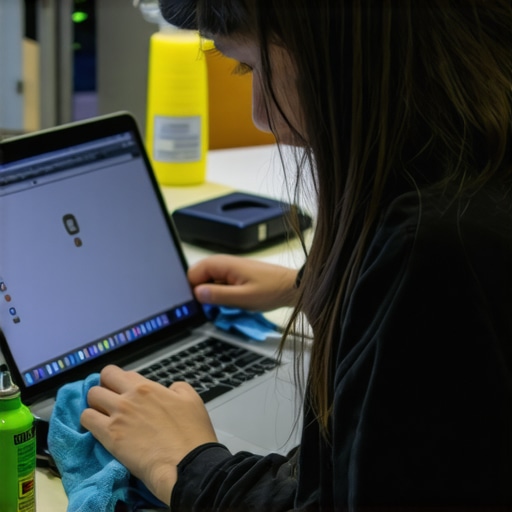
First, invest in a reliable cleaning kit that includes a microfiber cloth, compressed air, and a gentle screen cleaner. I swear by using compressed air every month to blow out dust from the keyboard and vents, which helps prevent overheating. For the screen, a soft microfiber cloth paired with a bit of screen-safe cleaner keeps glare and smudges at bay, making long study sessions easier on the eyes. Regularly cleaning your device is essential—think of it as giving your laptop a health check-up.
Next, I recommend installing a trusted system optimizer like CCleaner. I personally use it weekly to clear cache, temporary files, and unnecessary background processes that slow down performance. It’s lightweight, easy to schedule, and helps maintain fast boot times. For Windows users, enabling startup management via Task Manager ensures that only essential apps launch when powering up.
Backing up your files is another crucial habit. I rely on cloud storage services like Google Drive or OneDrive. They sync seamlessly with Chromebooks and Windows laptops alike, ensuring your homework, notes, and projects are safe even if your device encounters issues. Remember, a reliable backup strategy is your safety net against unexpected crashes or hardware failures.
Hardware health checks are frequently overlooked. I use software like HWMonitor to keep an eye on CPU and battery temperatures, especially during long study marathons. Overheating can reduce performance and damage internal components over time. By monitoring these metrics, I can proactively manage my device’s health, such as adjusting power settings or cleaning fans if temperatures rise unexpectedly.
Looking ahead, the trend points toward increased AI-driven maintenance tools. These systems will soon be able to predict hardware failures before they occur, allowing for preemptive repairs. This evolution will make device longevity more manageable, especially for students who rely on their laptops daily.
To get started with these practices, try setting up automatic backups and running regular disk cleanup sessions. These small steps can dramatically improve your device’s lifespan and performance, making homework less stressful and more productive. For detailed tips on choosing software, check our ultimate guide.
After navigating the maze of specs, brands, and price tags, I’ve realized a few insider truths that can save you from costly mistakes when picking your student laptop for 2024. These lessons aren’t in typical guides; they come from real-world experience and a few hard lessons learned along the way.
The Hardest Lesson I Learned About student laptop, budget laptop, chromebook, back to school, homework laptop
- Don’t assume expensive means better. I once bought a high-end model thinking it would last forever, only to find it was overkill for my needs and difficult to repair. A budget-friendly device tailored to your exact requirements will outperform a flashy but unnecessary high-spec machine.
- Beware of shiny features that don’t matter to students. For instance, I was tempted by a 4K display, but it drained the battery quickly and added unnecessary cost. Focus on performance, portability, and battery life instead.
- Compatibility trumps specs. A powerful laptop is useless if it can’t run the apps you need. Always check software requirements and make sure your device supports them, especially for specialized courses or creative software. Our software compatibility guide is a lifesaver.
- Build quality matters more than you think. Cheaper laptops often break easily or have poor keyboards. Investing in a device with a sturdy build can save you money and frustration in the long run.
- Future-proof your choice. Think ahead about upcoming software updates or coursework changes. A device with a good warranty and upgrade options will serve you better over the years.
My Essential Toolkit for Maintaining Your Student Laptop
Keeping your device in top shape is crucial. I rely on a few trusted tools and habits: a microfiber cloth and compressed air for cleaning, cloud backup services like Google Drive, and system optimization software like CCleaner. Regular maintenance prevents overheating, slows down performance, and keeps your homework hassle-free.
Looking forward, AI-driven maintenance tools will soon predict hardware issues before they happen, making device longevity easier to manage. Start these habits now, and your laptop will be your dependable homework partner for years to come.
What Experts Won’t Tell You About student laptop, budget laptop, chromebook, back to school, homework laptop
- Choosing based on myths leads to regret. Many believe premium brands are always better, but tailored specs and good warranties matter more. Myths about Chromebooks being only for simple tasks are outdated; many now handle complex workflows, especially with Linux support.
- Durability and repairability are often overlooked. Cheap devices may seem attractive initially, but their fragile build and lack of service centers can cost you more in repairs.
- Don’t forget about hardware ports and accessories. An SD card slot or multiple USB ports can save you headaches when transferring files or connecting peripherals. Always check these before buying.
- Plan for the future, not just now. Think about upcoming coursework and software needs. A device with a reliable warranty and upgrade options will serve you better across semesters.
Your Turn to Try
Choosing the right student laptop isn’t just about specs; it’s about matching your unique needs and planning for the future. With these insider tips, you can confidently pick a device that supports your academic success without unnecessary expenses. Remember, the best device is one that adapts to your evolving needs and keeps you focused on what truly matters—your education.
What’s been your biggest challenge in selecting a student laptop? Share your story below, and let’s help each other make smarter choices!
This post hits on so many important points I wish I had read before buying my first laptop for college. I totally agree that focusing too much on specs like 4K displays or gaming features can be overkill for most students, especially when portability and battery life are crucial. Personally, I found that a lightweight Chromebook with decent performance made a huge difference during long classes and study sessions. One thing I learned the hard way is paying more attention to real-world user reviews, especially regarding durability and keyboard comfort, which are often overlooked in specs lists. Does anyone have tips on how to test a laptop’s build quality before making a purchase, especially online? I think it’s so important to prioritize not just the specs, but also the device’s practicality and lifespan to really get the best value for your investment.