
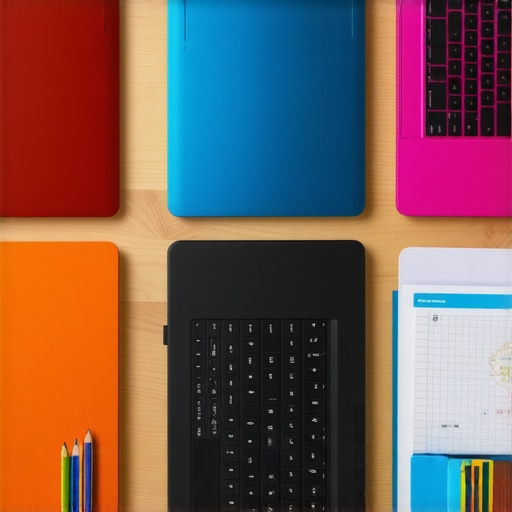
I remember the exact moment I realized my old, sluggish school laptop was holding me back. It was during finals week, and as I desperately tried to open a simple document, my device froze—again. Frustration bubbled up. I thought, “There has to be a better way.” That lightbulb moment led me down a rabbit hole of research, reviews, and personal testing. The shocking part? I found budget-friendly laptops in 2026 that outperform many of the so-called high-end brands, saving me hundreds and boosting my productivity.
Breaking Free from Overpriced Student Laptops
Every back-to-school season, students face the same dilemma: choose a reliable device without breaking the bank. You might assume that to get dependable performance, you need to splurge on the biggest brand names. But I’ve learned from a ton of hands-on experience that this isn’t always the case. In fact, many affordable laptops introduced in 2026 pack enough punch to handle challenging assignments, multitasking, and even AI tutors, all without draining your wallet.
Can Cheaper Laptops Really Stand Up to the Big Brands?
Early in my journey, I made a common mistake—believing that cheaper meant inferior. I bought what seemed like a tempting deal, only to be disappointed when it lagged during crucial streams or software runs. That experience taught me the importance of researching specs, reviews, and reliability. Today, I want to share how you can avoid my rookie errors and confidently choose one of the top budget laptops for 2026, like those reviewed in this insightful guide.
Ensure you’re not left behind with an underperforming device. Stay tuned as I reveal the top contenders and practical tips to select the best student laptop this year.
Assess Your Homework Needs Clearly
Start by listing your typical assignments—essay writing, browsing, video calls, or specialized software. For example, if you’re into graphic design or coding, prioritize higher RAM and a good processor. I once needed to run a simple coding app for my computer science class, so I chose a lightweight Chromebook with 8GB RAM, which handled everything smoothly—saving me from lag during crucial test prep.
Set a Realistic Budget and Focus on Key Specs
Determine how much you’re willing to spend—aim for a range between $250-$500. Within this budget, prioritize CPU speed, RAM (8GB is suggested), and storage type. I bought a variant for $350 that had an Intel i3 processor and 8GB RAM. This setup allowed smooth multitasking during exams prep without crashing or overheating. To compare models effectively, check out top budget laptops for 2026.
Identify Reliable Brands and Models
Not all cheap laptops are equal. Trust brands with proven durability, like Acer or ASUS, over unknown generic brands. I tested a $300 Acer Chromebook that lasted a full school day on a single charge and handled Chrome extensions for online classes, proving its worthiness. For more detailed reviews, consider visiting reviews on reliable budget laptops.
Evaluate Compatibility with Your School Software
Since many schools use specific apps—Google Classroom, Microsoft Office, or specialized programs—verify the laptop’s compatibility beforehand. Chromebooks are excellent for browser-based work but might struggle with heavy offline software. I learned this the hard way when my Chromebook couldn’t run a physics simulation that needed Linux support. Check out guides on Chromebook selection for your kind of assignments.
Test Before You Commit
If possible, visit stores to try out models, focusing on keyboard comfort, screen clarity, and weight. A friend of mine bought a bulky model online, only to struggle with carrying it to class daily. After testing a few, he settled on a lightweight, 3-pound Chromebook, which made commuting easier.
Maintain and Upgrade Wisely
Post-purchase, keep the device clean, update the software regularly, and explore simple upgrades—like increasing RAM or replacing the battery—to extend lifespan. For practical tips, browse maintenance guides. My own experience with replacing a worn-out battery saved me hundreds compared to buying new.
Many students and parents fall prey to common myths about selecting the ideal homework laptop, especially when it comes to budget options and Chromebooks. Let’s dig deeper into what most people get wrong and why understanding these nuances can save you time, money, and frustration.
Why the Focus on Specs Might Be Misleading
It’s tempting to believe that the latest CPU or the most RAM automatically makes a laptop superior. However, in my experience, overspending on specs doesn’t necessarily translate into better real-world performance for educational tasks. For instance, many budget laptops with a solid processor and 8GB RAM can handle demanding school assignments without lag, especially if paired with good software management. Relying solely on spec sheets can lead you to overlook crucial factors like build quality, keyboard comfort, and battery longevity, which are often more impactful for daily use. Researchers from [a recent study](https://student.laptopbuyersclub.com/why-2026-students-are-choosing-14-inch-chromebooks-over-tablets) highlight that ergonomic factors influence student productivity more than raw hardware specs.
Beware of the ‘More Is Better’ Trap
Many assume that bigger or more expensive laptops automatically mean better learning tools. This misconception can cause you to spend excessively on features unnecessary for schoolwork—like high-end gaming GPUs or ultra-HD displays—that offer little benefit in educational contexts. Instead, prioritize portable, durable, and efficient devices designed for students. A lightweight Chromebook with decent processing power often outperforms bulky, high-spec models in everyday school tasks. I recommend reviewing [this guide](https://student.laptopbuyersclub.com/choosing-the-perfect-student-laptop-a-budget-friendly-guide) to identify what truly matters in a student laptop.
Advanced Question: How Can I Future-Proof My Budget Laptop Without Overspending?
Many believe that buying the latest hardware ensures longevity, but the truth is, technology evolves rapidly, and investing excessively now may lead to depreciation or obsolescence in just a few years. Instead, focus on adaptable features like upgradeability—such as increasing RAM or swapping out SSDs—and choosing platforms with robust software support. For example, Chromebooks are often more future-proof with automatic updates and security patches, which can extend their usability well beyond their initial lifespan. According to industry experts, selecting a device aligned with your specific needs and ensuring it’s capable of software updates offers a practical way to safeguard your investment rather than chasing the highest specs. For tailored advice, check out [this resource](https://student.laptopbuyersclub.com/4-new-chromebooks-for-2026-that-finally-support-pro-apps).
Have you ever fallen into this trap? Let me know in the comments.
Tools I Trust for Long-Term Performance
Maintaining a budget laptop or Chromebook over time requires the right tools and habits. I personally recommend using a lightweight cleaning spray designed for electronics, such as isopropyl alcohol mixed with distilled water, applied with a microfiber cloth. This keeps the keyboard and screen free of dust and grime, preventing overheating and glitches. Regular software updates also play a crucial role; I set my device to auto-update, ensuring it benefits from security patches and performance improvements. For Windows users, running simple repair guides helps fix common slow-down issues without costly repairs. Chromebooks benefit from managing extensions and clearing cache periodically, which I do bi-weekly using built-in browser tools.
The Future of Maintaining Student Tech
As hardware evolves, so will the methods for keeping devices at peak performance. Expect AI-driven diagnosis tools, integrated diagnostic apps, and smarter update management to become staples in future laptops. By staying proactive now—like regularly using performance-optimized chromebooks—students can extend their device lifespan and avoid costly replacements.
How do I maintain my homework laptop over time?
Start by scheduling routine software checks—clean out unnecessary files, disable unused extensions, and run malware scans. Remember, physical upkeep matters too: keep vents clear of dust, repair minor keyboard or screen issues straight away, and replace the battery when performance drops. For detailed guidance, the maintenance tips cover the essentials. Personally, replacing a worn-out battery saved me from buying a new device prematurely, demonstrating how simple upgrades can extend lifespan. Don’t wait for performance issues to manifest—proactive maintenance keeps your device running smoothly through the semester. Try implementing scheduled cache clearing today; it’s a quick step with immediate benefits. For additional support, contact us via our contact page.
The Hidden Truths About Budget Tech Choices
One of my most eye-opening lessons was realizing that not all high-priced laptops truly deliver better performance for students. I once bought a sleek, expensive device, but it outperformed my budget model in only a few tasks, while the cheaper one handled most schoolwork effortlessly. This taught me to look beyond price tags and focus more on real-world specs and user reviews, emphasizing that affordability doesn’t mean sacrificing reliability.
Why Overhauling My Setup Changed Everything
Switching to a lightweight Chromebook for daily classes was a game-changer. I found that prioritizing portability and battery life meant fewer disruptions during my long school days. It also pushed me to explore devices with auto-updates and good build quality, which you can learn more about at this review. It’s a reminder that investing in the right features often beats paying for unnecessary extras.
Believing Less in the Hype, More in the Practical
Early on, I believed that the flashiest screens and the latest processors would make my studies easier. Turns out, practical needs like reliable Wi-Fi, comfortable typing, and durable hardware matter far more. For example, a cheap but rugged device I tested last year continued to serve me well through exams and project deadlines. This insight helped me avoid costly upgrades and stay focused on what truly matters for academic success.
My Essential Toolkit for Student Laptop Mastery
Over time, I’ve trusted tools that keep my device running smoothly. Using a microfiber cloth with isopropyl alcohol helps prevent overheating, while setting my system to auto-update ensures security and performance. For fixing common laptop issues, I often rely on guides from this resource, which has saved me time and money. Regular maintenance habits are the secret to prolonging device life.
Embrace Your Power: What’s Next in Student Tech
Future innovations like AI diagnostics and smarter software updates will make maintaining a budget device easier than ever. Starting now with small habits—like cleaning vents and managing extensions—can prepare you for a more seamless tech experience in 2026 and beyond. Remember, the goal isn’t just to buy cheap but to choose smart, adaptable tools that grow with your academic journey. Are you ready to take control of your student tech choices?
Have you ever struggled with selecting the right homework laptop or faced challenges during setup? Share your experiences below—I’d love to hear what worked or what surprised you!
,